




APHA’s August 2026 update on tuberculin storage provides a timely reminder for all veterinary practices to review their temperature-monitoring setup. For teams carrying tuberculin between farms, the revised instructions allow greater flexibility outside the practice fridge, but require clear evidence of suitable storage.
Can your team demonstrate how medicines have been stored, both at the practice and while out on visits? Here’s what the update means and where to focus your review.
What has changed in APHA’s tuberculin guidance?
APHA Briefing Note 24/26 follows audits that identified problems with tuberculin storage in vehicles. Under the revised instructions, vials removed from the practice fridge can be kept in correctly controlled vehicle storage for up to seven days.
During that period, they must remain between 2°C and 37°C, must not be returned to the practice fridge and must be disposed of once the seven days have expired. Refrigerated storage at the practice remains 2°C to 8°C.
Practices must have a written standard operating procedure covering storage equipment, temperature and time records, and actions when limits are exceeded. Each vial’s removal date must be recorded and readily identifiable.
Individual testers must have an auditable temperature-monitoring system in the vehicle, such as an electronic data logger or maximum/minimum thermometer. Before using tuberculin, they must be able to confirm from records that it has remained within the required range.
Separate restrictions still apply to opened vials, including use within the working day. Read the full briefing alongside your practice procedures.
What about other veterinary medicines?
The tuberculin instructions are product-specific. Their permitted temperatures and time limits should not be applied to other medicines or vaccines.
The Veterinary Medicines Directorate’s practice inspection criteria require medicines to be stored according to their label and summary of product characteristics, including during transport. Records demonstrating appropriate temperatures must be available to inspectors.
Review the full working day: delivery, practice storage, loading, travel, farm visits and any medicines left in vehicles between appointments. A reliable fridge record covers only one part of that journey.
Are start and end temperature checks enough?
A reading before departure and another on arrival show conditions at those two moments. They may miss an excursion during the journey if temperatures return to the acceptable range before the second check.
A maximum/minimum thermometer captures the extremes between resets. A data logger records readings at set intervals, providing a more detailed history of when temperatures changed.
For tuberculin, APHA expressly allows either an electronic logger or a suitable maximum/minimum thermometer as part of an auditable system. Whichever approach is used, the records and procedures must support the required checks before use.
Recording throughout a journey also differs from viewing readings live. SenseAnywhere loggers can store readings while outside access-point range and upload them when they reconnect. Live visibility and alerts depend on connectivity, so the setup should reflect when your team needs to review conditions or respond.
Five checks for your veterinary cold chain
Use these questions to identify gaps in your current process:
- Storage requirements: Does the team know the permitted conditions for each product, including any time limits outside refrigerated storage?
- Vehicle arrangements: Does your transport equipment maintain suitable conditions throughout journeys and between visits?
- Temperature evidence: Can you retrieve records covering practice storage and transport, rather than relying on isolated readings?
- Response procedures: Do staff know what to do when temperatures fall outside limits, including how to record the incident and obtain advice before using affected stock?
- Equipment reliability: Are monitoring devices maintained, checked and calibrated as appropriate, with responsibilities clearly assigned?
For tuberculin, also check that removal dates are visible and the practice SOP and monitoring records are readily available for inspection. A short review with everyone who handles the stock can help reveal gaps between the written procedure and daily routines.
How Withnell Sensors can help
At Withnell Sensors, we can help you choose temperature-monitoring equipment for medicine fridges, storage areas and transport applications.
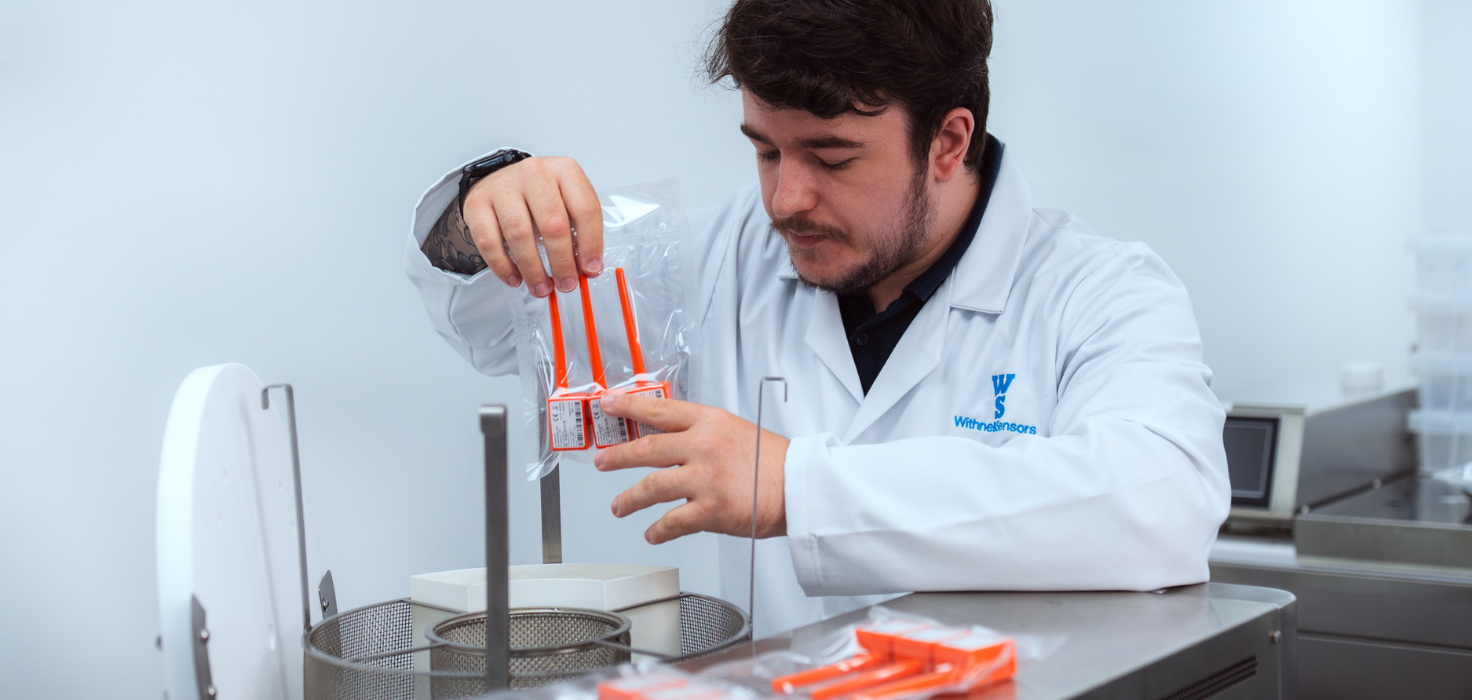
SenseAnywhere monitoring systems automatically record temperatures, reducing manual recording and helping teams review conditions across their operations. We can advise on logger selection and deployment, including the connectivity needed for remote access and alerts.
Our calibration services also help maintain confidence in the accuracy of your monitoring equipment.
Reviewing temperature monitoring in your practice or vehicles? Speak to our team about your requirements and arrange a SenseAnywhere demonstration.