


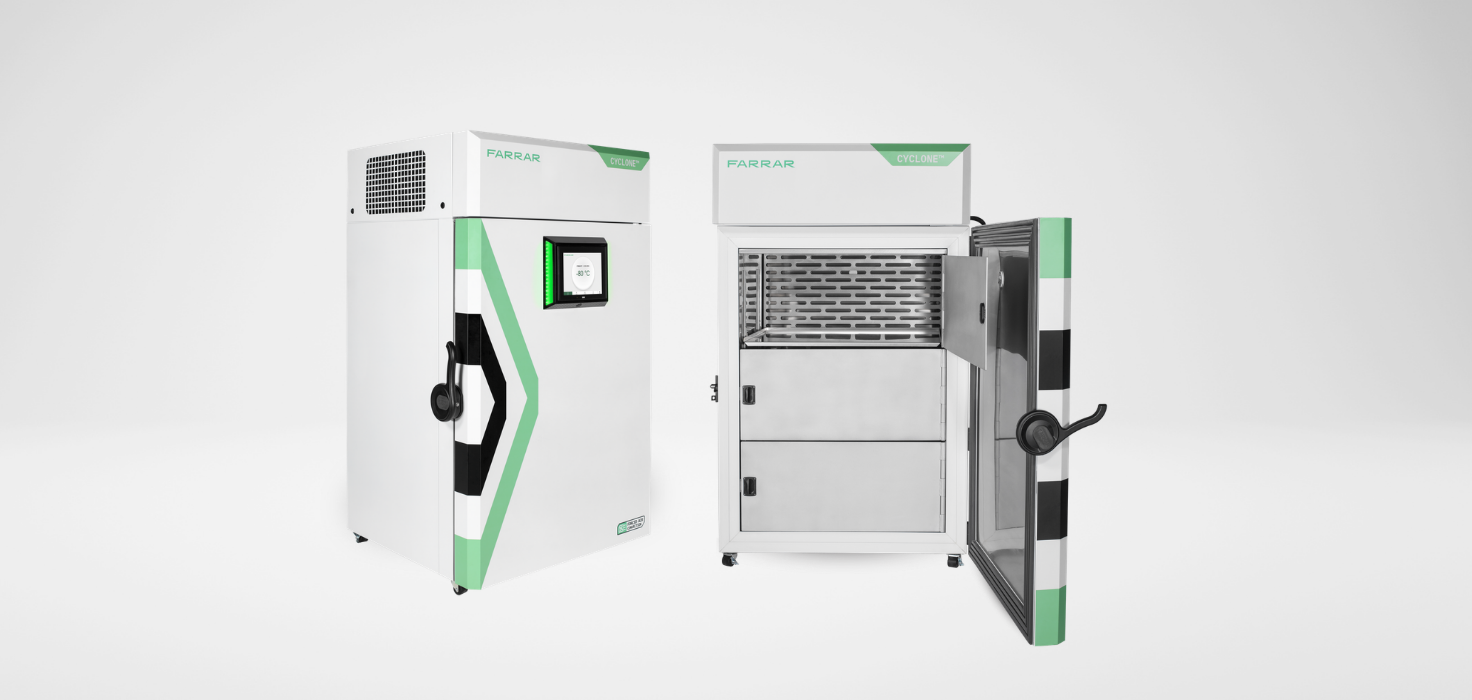
FARRAR CYCLONE in Focus: From Training Day to Technical Testing
FARRAR X Withnell Sensors Training Day
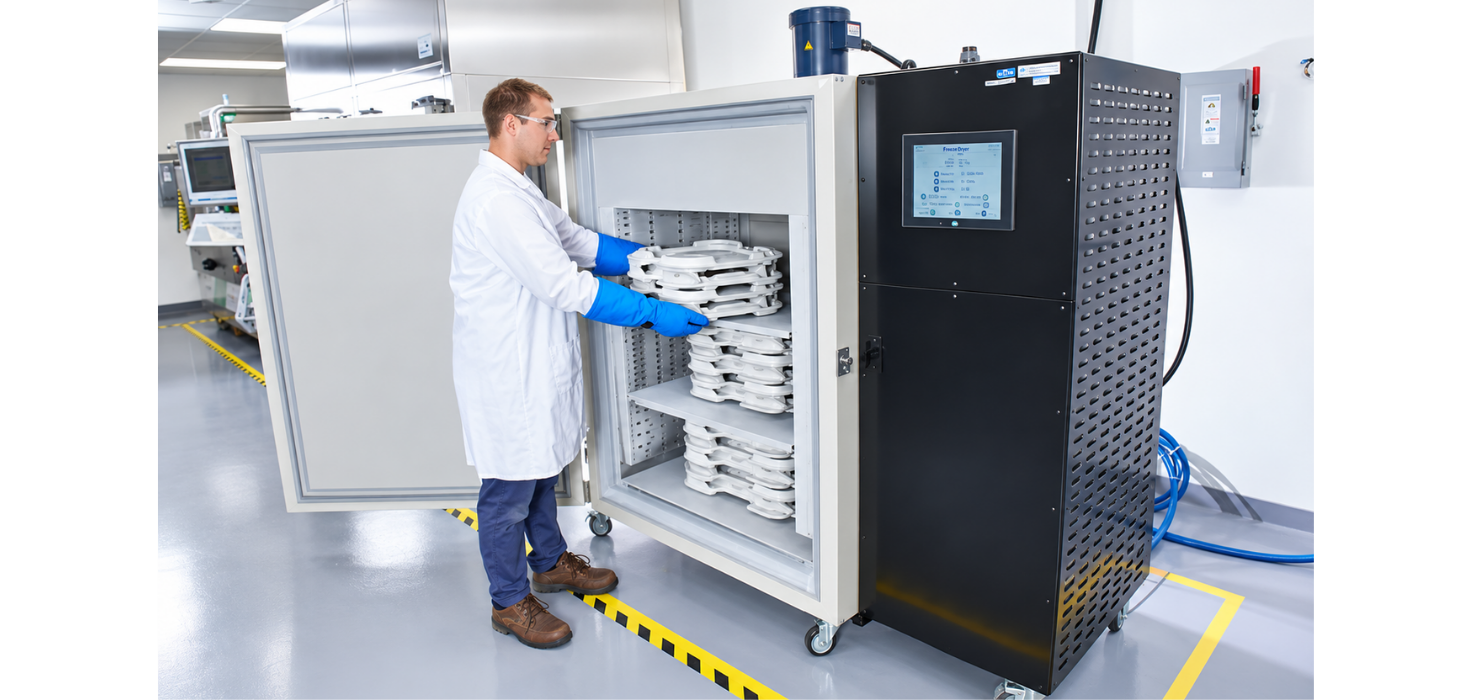
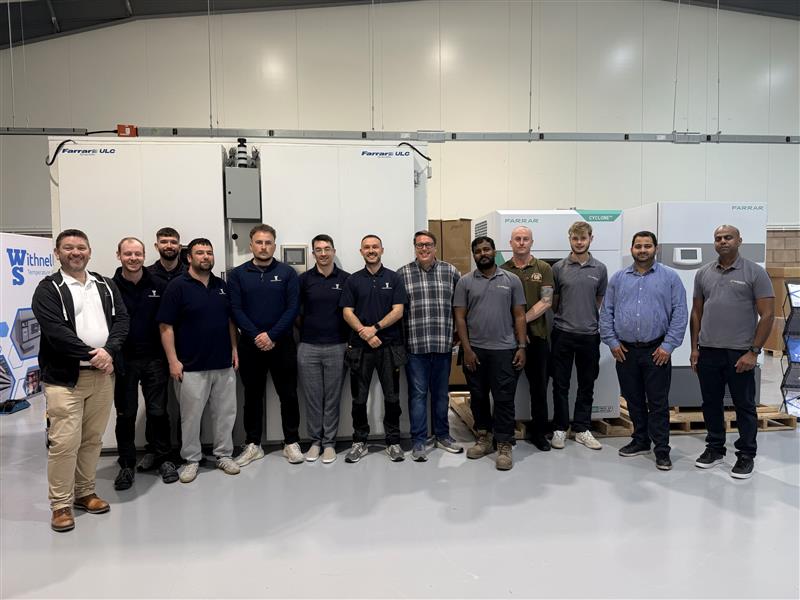
Our recent FARRAR training day brought together FARRAR representatives, Withnell Sensors employees, service engineers and external customers for a day of product demonstrations, technical discussions and hands-on training.
The day provided an opportunity to take a closer look at the FARRAR product range, explore the technology behind the equipment and discuss its potential applications.
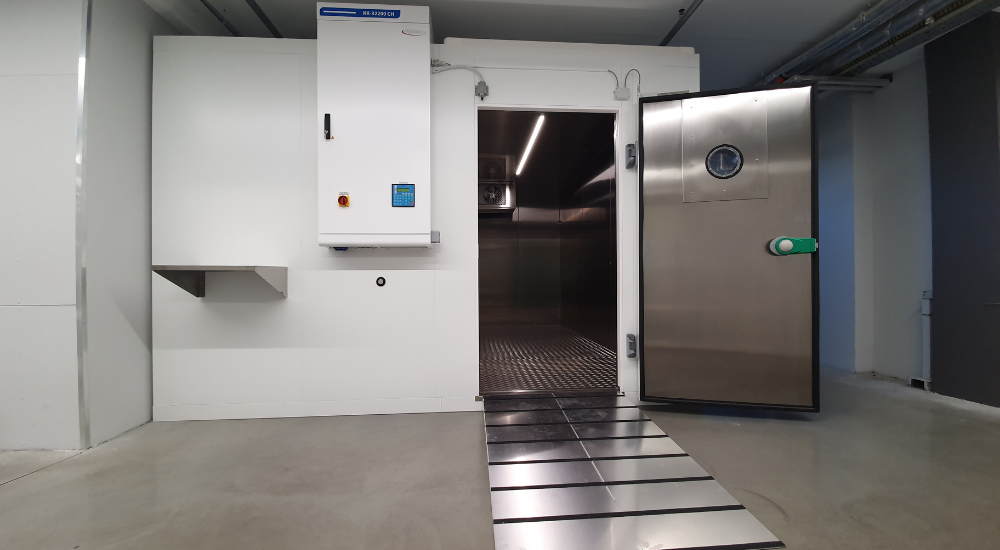
One product that was a particular focus was the FARRAR CYCLONE, a new piece of equipment to the range.
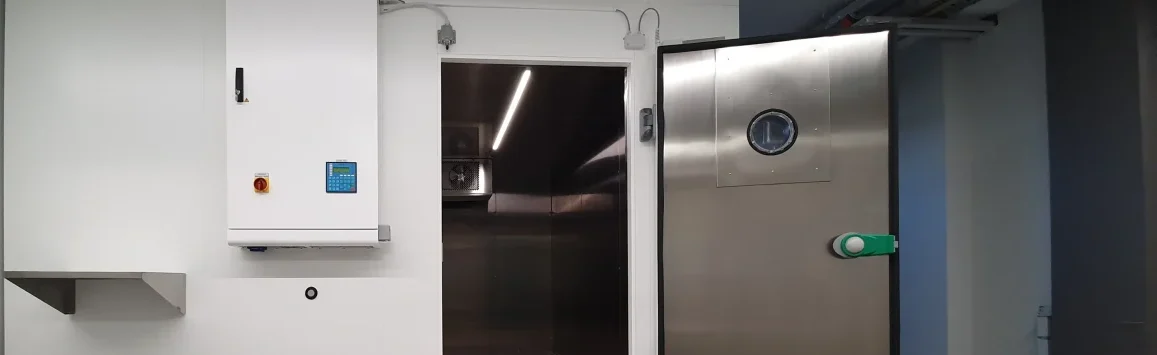
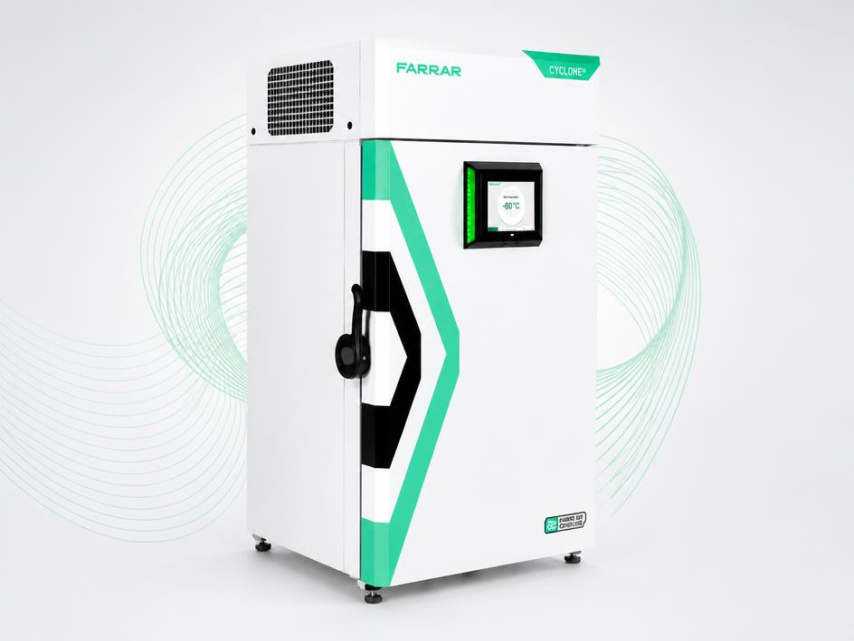
The FARRAR CYCLONE is a forced-air freeze/store chamber designed for pharmaceutical and biopharmaceutical environments where materials may need to be frozen, stored and accessed frequently, while maintaining tight temperature control.
Typical applications include bulk drug storage, biobanking, R&D, manufacturing and other high-value cold storage workflows.
However, our experience with the CYCLONE didn’t begin on the training day.
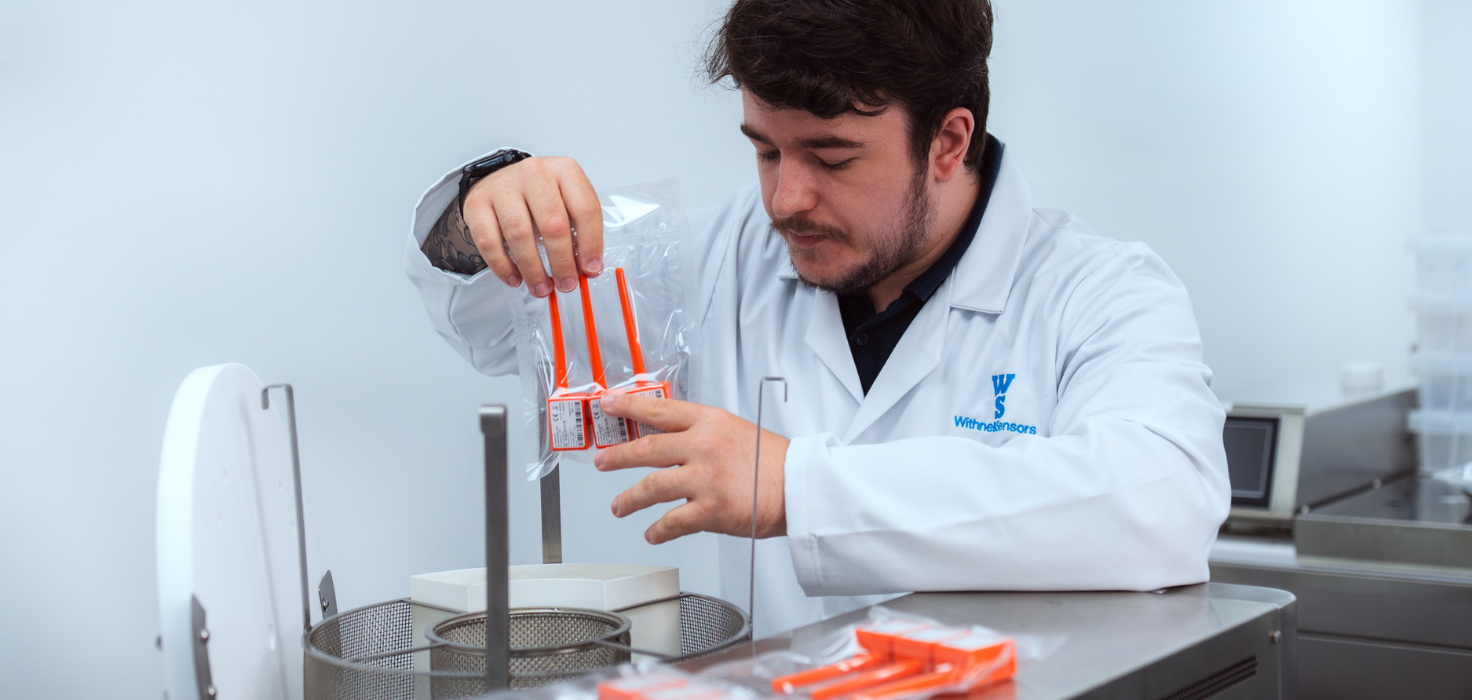
Prior to the event, our Technical Engineer, Liam A, had already carried out a detailed temperature mapping study to assess how the CYCLONE performed under a range of controlled conditions.
So, following a day focused on learning more about the technology, we wanted to take a closer look at what our own testing revealed.
Taking the CYCLONE into the lab
The FARRAR CYCLONE is designed for ultra-low temperature freezing and storage applications, operating across a temperature range of -20°C to -80°C.
Our temperature mapping study demonstrated that the FARRAR CYCLONE delivered consistent chamber uniformity of ±0.37°C across both 12-hour and 24-hour loaded tests at a setpoint of -80°C.
-80°C was selected as the representative stress test condition to evaluate performance under the most challenging operating conditions of the chamber.
Additional testing during controlled power loss and door opening events provided valuable insight into system recovery characteristics and operational performance.
While every application and load configuration will vary, the study data supported the performance information outlined within the manufacturer’s technical specification and provided our team with a deeper understanding of CYCLONE’s capabilities as a purpose-built forced-air freeze/store chamber.
To gain a closer understanding of its performance, our Technical Engineer, Liam, carried out both loaded and unloaded temperature mapping studies at a setpoint of -80°C.
The studies looked at a range of key performance characteristics, including:
- Temperature uniformity
- Temperature stability
- Performance over 12 and 24-hour periods
- Influence of loading and thermal mass transfer on chamber performance
- Power loss recovery
- Door opening recovery
- Pull-down performance from ambient to -80°C
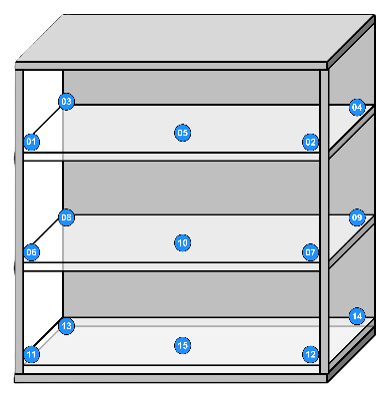
For all studies, 15 Type-T thermocouples were positioned across the CYCLONE’s three shelf levels to assess temperature performance and uniformity throughout the chamber.
Temperature Mapping Results at -80°C
Consistent temperature uniformity
One of the key findings from the loaded mapping study was the consistency of temperature uniformity across the chamber.
During the 12-hour study, the CYCLONE recorded:
- Average temperature: -80.39°C
- Chamber uniformity: ±0.37°C
- Average stability: ±0.062°C
During the 24-hour study, the results showed:
- Average temperature: -80.35°C
- Chamber uniformity: ±0.37°C
- Average stability: ±0.73°C
The standout result?
±0.37°C chamber uniformity
This was maintained across both the 12-hour and 24-hour loaded studies.
The comparison also found that temperature uniformity was negligibly affected by the automatic defrost cycle, although stability was affected while remaining within the banding criteria of the technical data sheet.
12 hours vs 24 hours
| Measurement | 12-Hour Study | 24-Hour Study |
| Average temperature | -80.39°C | -80.35°C |
| Chamber uniformity | ±0.37°C | ±0.37°C |
| Average stability | ±0.062°C | ±0.73°C |
The consistency of the chamber uniformity across both study periods was one of the key findings from the assessment.
Power Loss and Door Opening Recovery Testing
The study wasn’t limited to steady-state temperature mapping.
To gain a better understanding of how the CYCLONE responded to controlled operating events, the loaded study also included a power loss event and a door opening event.
Power loss event
A 15-minute power interruption was introduced during the study.
Following the restoration of power, the study recorded a 28-minute lag between power restoration and temperature recovery across all thermocouple positions.
The maximum temperature recorded during the event was -79.35°C.
While this was a controlled test carried out under specific study conditions, it provided useful data on how the chamber responded when normal operation was interrupted.
Door opening event
The study also included a controlled one-minute door opening event.
During the assessment:
- The door was open for 1 minute
- The maximum temperature recorded was -65.76°C
- There was a 27-minute lag between the door closing and temperature recovery across all thermocouple positions
- The time taken to recover from the maximum temperature reached to within -80°C ±2.0°C was 46 minutes
This gave our team further insight into the CYCLONE’s recovery behaviour following a controlled door opening event.
Loaded vs unloaded performance
Alongside the loaded study, our Technical Engineer also compared the results against an unloaded mapping study.
The purpose of the study was to compare key parameters, including temperature uniformity, stability, minimum and maximum temperatures, and temperature spread over time, using identical test conditions with loading status as the only variable.
Chamber uniformity comparison
| Condition | 12 Hours | 24 Hours |
| Unloaded | ±0.31°C | ±0.31°C |
| Loaded | ±0.37°C | ±0.37°C |
The comparison showed consistent chamber uniformity across both the 12-hour and 24-hour study periods under each test condition.
Key Findings from the FARRAR CYCLONE Validation Study
The temperature mapping studies gave our team the opportunity to assess the FARRAR CYCLONE under a range of controlled conditions, rather than simply reviewing published specifications
Consistent chamber uniformity
The loaded study recorded ±0.37°C chamber uniformity across both the 12-hour and 24-hour assessments.
Stable performance over extended periods
Average temperatures remained close to the -80°C setpoint throughout both mapping periods.
Performance assessed during operational events
The testing included both power loss and door opening events, providing additional insight into recovery behaviour under the specific controlled conditions of the study.
Data supporting the technical specification
The study summary concluded that the data supported the performance information listed within the technical specification.
From training to technical understanding
The FARRAR training day was an opportunity to bring together people from across the industry to learn more about the technology, share knowledge and gain hands-on experience with the equipment.
For our team, it also provided an opportunity to reflect on the technical work that had already been carried out on the CYCLONE.
By combining product training with our own temperature mapping experience, we can better understand not only what the technology is designed to do, but also how it performs under the controlled test conditions we applied.
Of course, every application, load configuration and operating environment is different. The results presented here relate specifically to the conditions and methodology used during our studies.
Could the CYCLONE be right for you?
From discussing your application requirements through to temperature mapping and ongoing environmental monitoring, we can support the wider process of understanding and managing critical storage environments.



Interested in learning more about the FARRAR CYCLONE?