






Cold Room Temperature Monitoring Systems
Clients we’ve Worked With






Introducing
Continuous Cold Room Temperature Monitoring
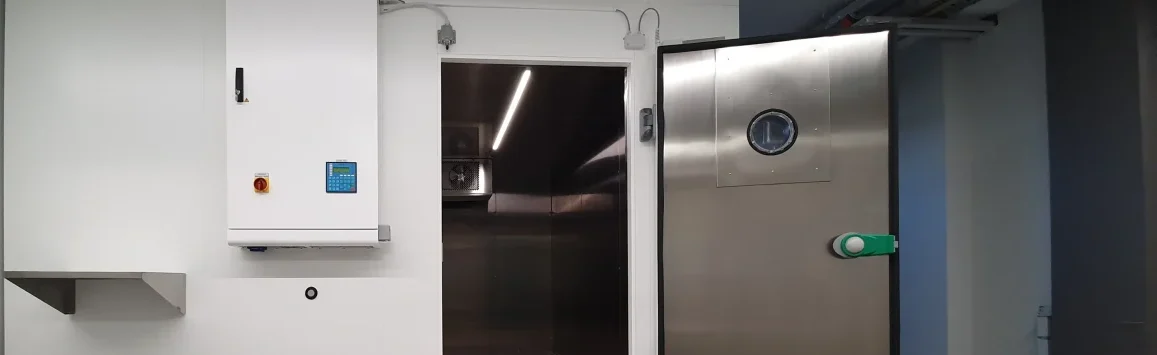
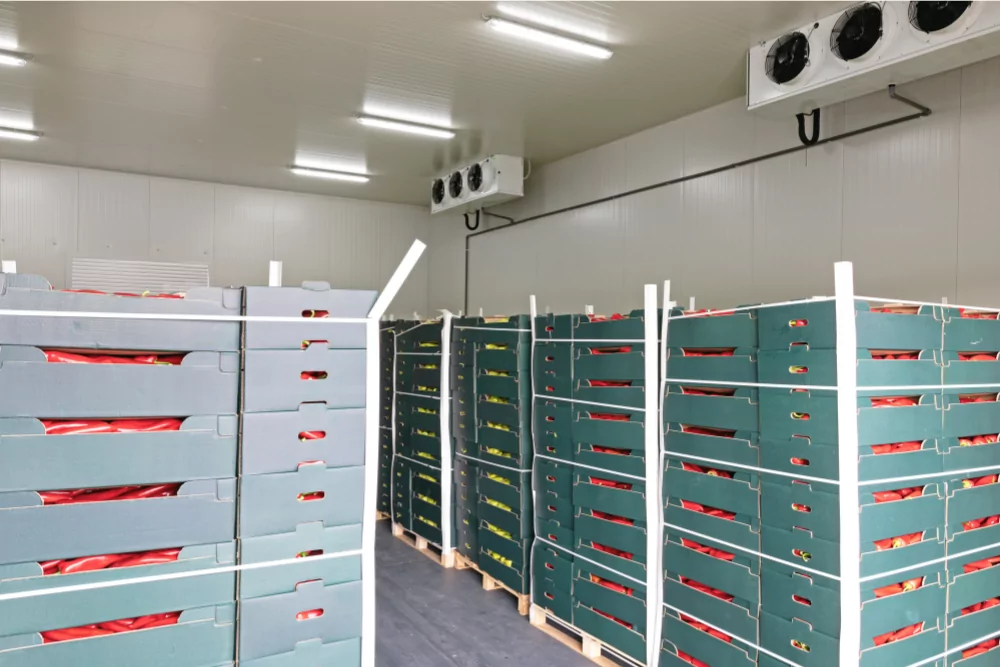
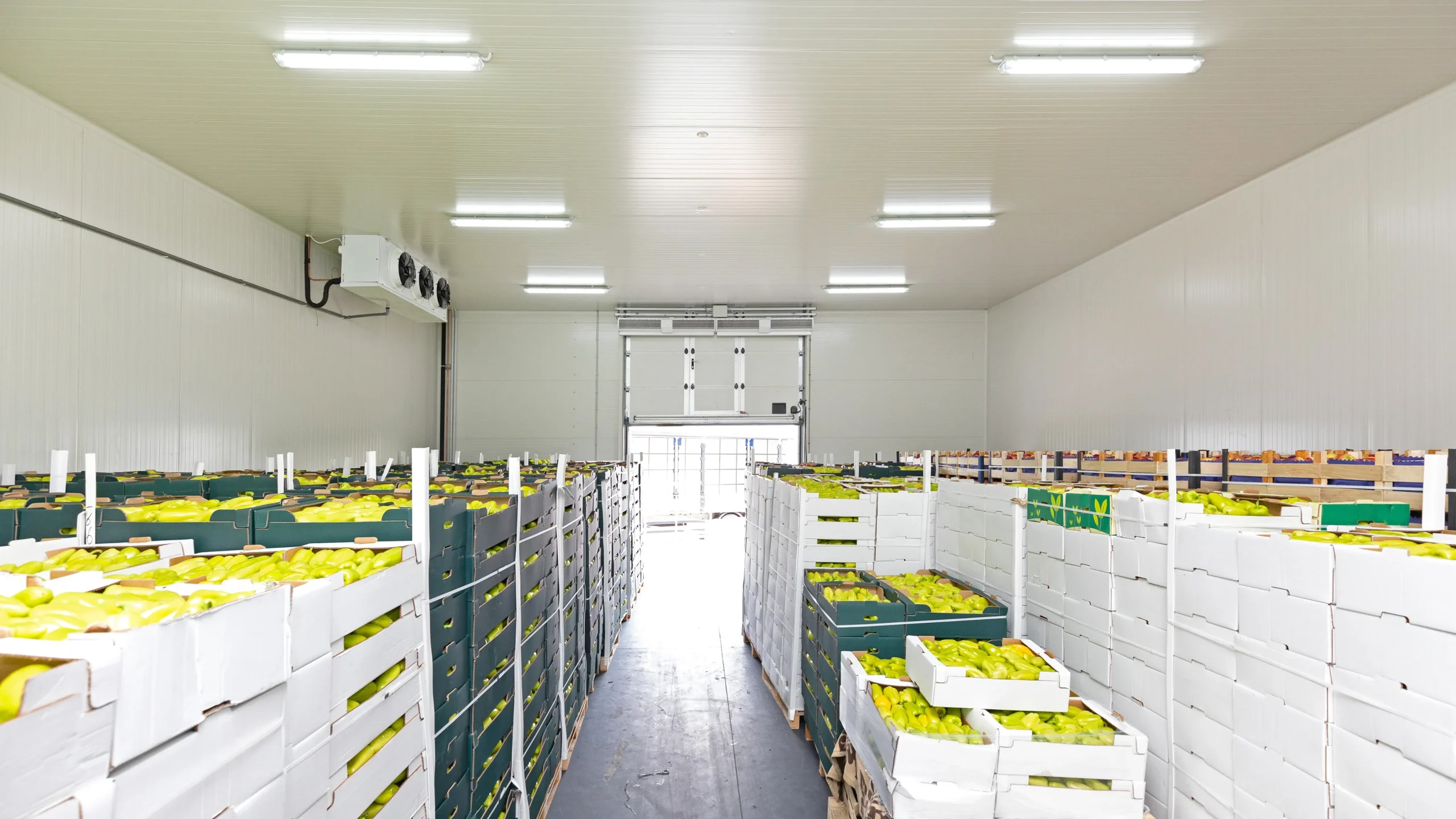
Cold rooms provide temperature-controlled storage for pharmaceuticals, vaccines, biological samples, food products, ingredients and other sensitive materials. Equipment faults, open doors, power interruptions and changes in loading or airflow can all cause conditions to move outside acceptable limits.
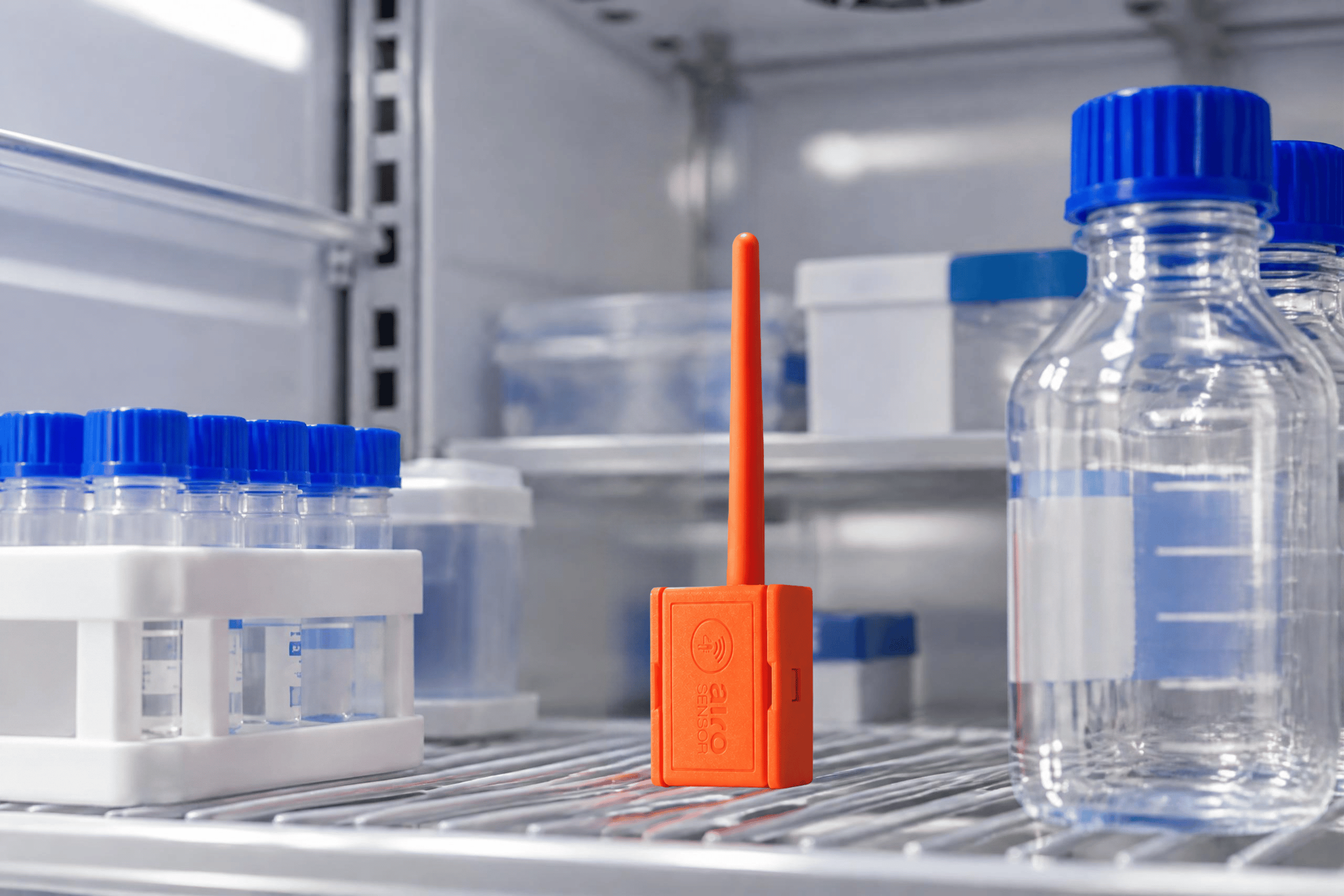
Withnell Sensors provides cold room temperature monitoring systems for custom-built rooms, prefabricated cold rooms and larger cold-storage facilities. Wireless sensors and data loggers can monitor conditions continuously, maintain time-stamped records and notify nominated personnel when temperatures move outside selected limits.
Measurements from multiple monitoring points can be brought together within a central platform, allowing authorised users to review current conditions, historical trends and alarm events remotely.
Our specialists can recommend an appropriate system based on the room’s size and layout, operating range, stored products, access points and reporting requirements.
Continuous Monitoring
Maintain an automated, time-stamped record of temperatures throughout your cold room.
Configurable Alarms
Notify nominated personnel when readings move outside selected limits or monitoring communication is interrupted.
Multiple Monitoring Points
Monitor conditions across doors, shelving areas and other representative locations within the room.
Accessible Reporting
Review historical readings, investigate excursions and generate clear temperature reports.
Recommended Cold Room Monitoring Products
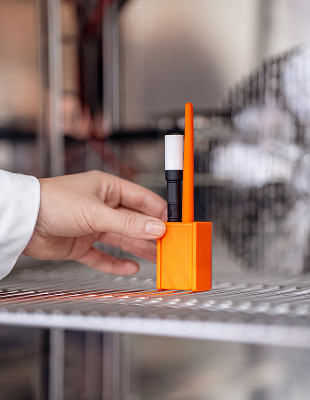
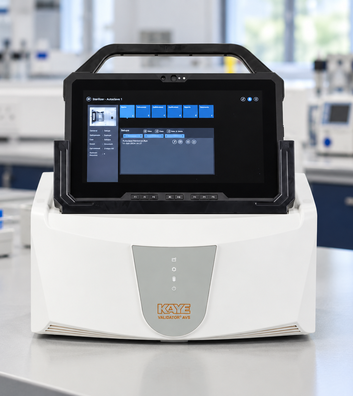
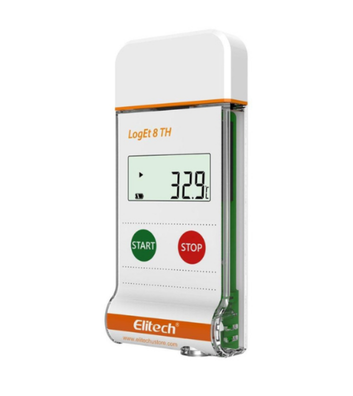
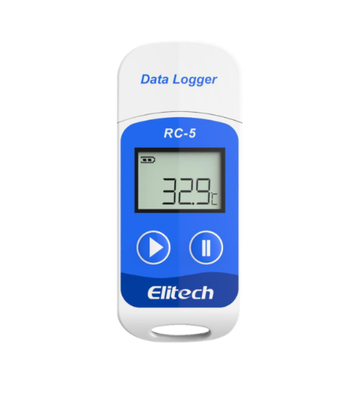
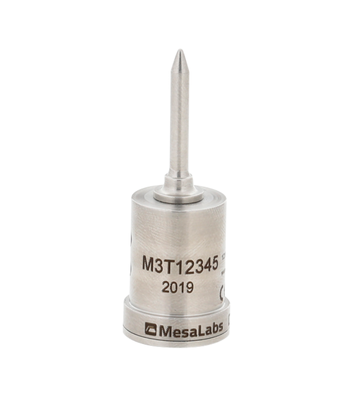
Withnell Sensors supplies wireless monitoring systems and multi-channel data loggers for permanent cold room monitoring and temperature mapping.




How can we help?
We deliver expert and impartial advice to help you choose the right solution.
Alternatively, please get in touch and one of our specialist team will assist with your enquiry
Sales enquiries:
Service enquiries:
Call us:
+44 (0) 1254 831 375
Cold Room Monitoring Systems and Alarms
A cold room can contain several areas with different temperature characteristics. Shelving, stock levels, airflow, refrigeration units and frequently used access points can all influence the conditions recorded in different parts of the room.
A multi-point cold room monitoring system provides greater visibility of these variations than a single sensor or occasional manual reading. Sensors can be positioned at representative locations, with measurements transmitted automatically to a central platform.
Configurable cold room temperature alarms can notify nominated personnel when readings move outside agreed limits. Alarm delays and notification routes can be set around the requirements of each monitoring point, helping teams respond to refrigeration faults, open doors and other developing problems.
Monitoring can be expanded as storage capacity grows, allowing additional sensors, rooms or facilities to be incorporated into the same system.
Cold Storage Temperature Monitoring and Mapping
Temperature mapping evaluates how conditions vary throughout a cold room under defined operating conditions. Multiple calibrated data loggers are positioned across the space to identify hot and cold areas, assess temperature distribution and understand the effects of loading, airflow and door openings.
The results can help establish suitable positions for permanent monitoring sensors and provide documented evidence of cold-room performance. Mapping may be completed when a room is first commissioned, following a significant change or periodically in line with internal quality procedures.
Withnell Sensors provides cold room temperature mapping alongside permanent monitoring equipment, calibration and technical support. This creates a joined-up approach in which initial mapping informs the ongoing monitoring strategy.
Our team can develop an appropriate study based on the room, operating range, loading configuration and applicable quality requirements.
Hear From Our Customers
Our temperature mapping services support organisations across pharmaceutical, healthcare, food, manufacturing and laboratory environments where environmental control and compliance are essential.




Impartial expert advice